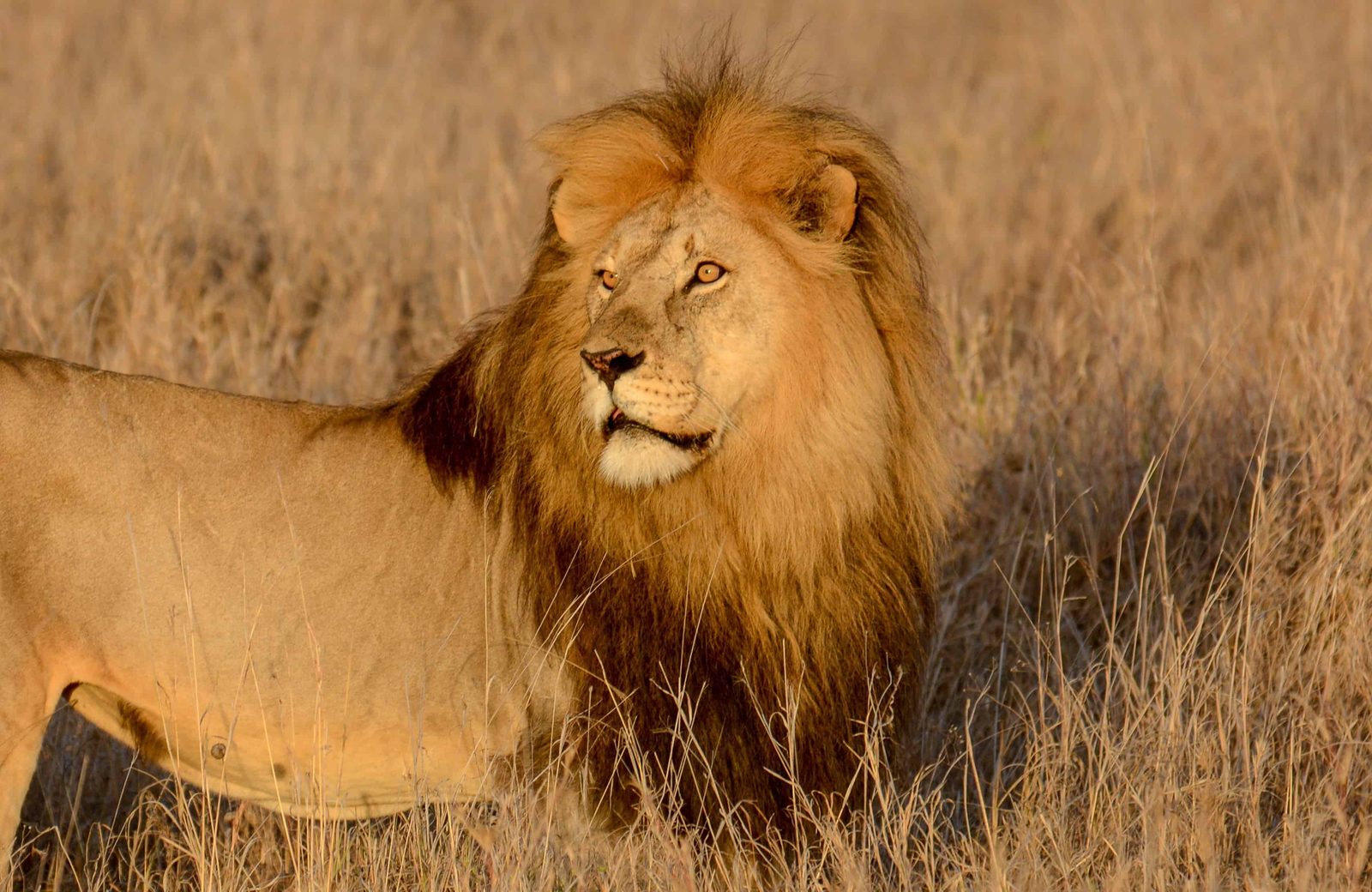
A male lion with a full dark mane in golden late-afternoon light

Njozi Camp The home of hardcore game viewing

Njozi Camp is built to be the home for serious wildlife enthusiasts.

A Camp Built for Wildlife Enthusiasts

Njozi is the Swahili word for, “Dream.”

A safari should be a profound experience. Great guides can touch your heart and fill your mind with a new understanding of the natural world that surrounds you. Witness astonishing wildlife, complete with fascinating behaviors and interactions between species. Interact with people who are soulful and welcoming. Safari is like no other journey, yet most people find a fast familiarity buried deep in their DNA as this is a return to our origins.

Njozi Camp is the realization of any serious wildlife enthusiast’s dream–a small, seasonal tented camp that focuses on flexibility and service to cater to travelers who wish to optimize their game viewing opportunities. The camp follows the Great Migration from the legendary Ndutu region of the Southern Serengeti to witness the birth of 400,000 calves to the Northern Serengeti for the dramatic Mara River crossings.

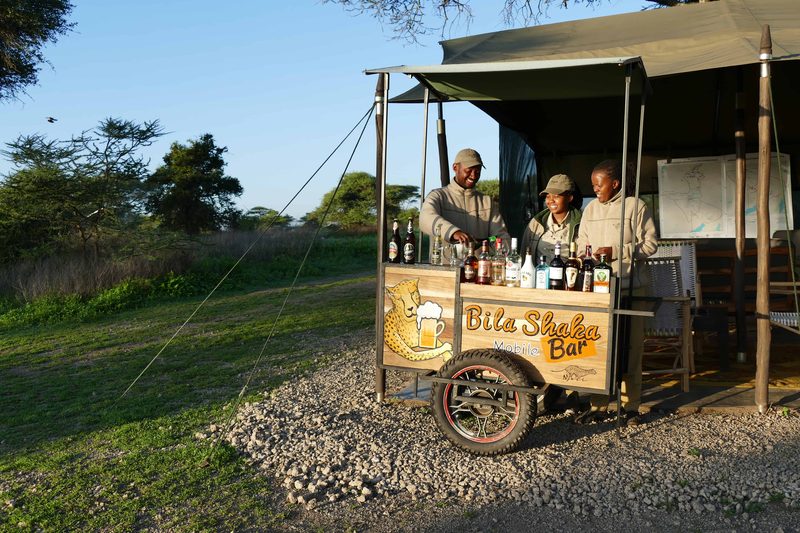
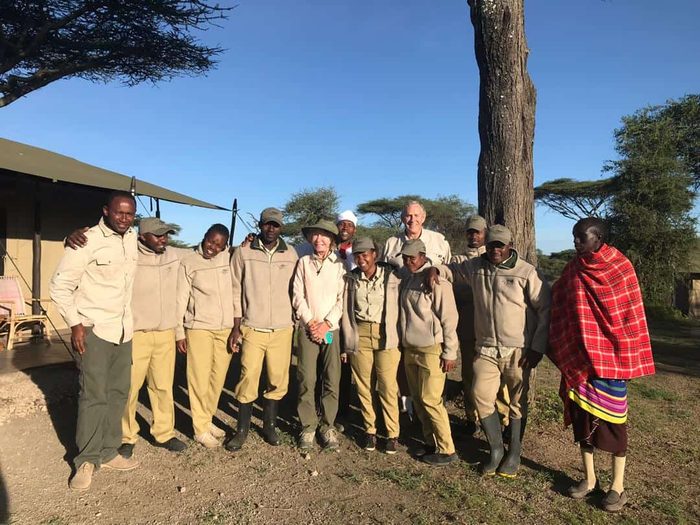
Njozi Camp staff in uniform standing together outside a tent, one man wearing a red Maasai shuka

Guide Owned and Operated

Njozi was designed to fill the need for a camp that truly puts the safari game-viewing experience as the priority–a camp that would provide our guides with the flexible support to cater to the dynamic game drives that we specialize in. We don’t believe in scheduled meals because the cheetah action on the plains or simply the desires of our guests are better ways to determine when to eat. As guides ourselves, we know how important it is to tailor a new plan for our guests each day, and then be ready at all times to change plans on the fly. Early out, late returns, full days in the bush, and changes along the way are all welcome here. Njozi Camp delivers on these philosophies.

When we decided to open our own camp we determined it must have a greater purpose that gives back in new ways. That is being accomplished with our first-of-its-kind wildlife biologist research program. Njozi Camp is built to be the home for serious wildlife enthusiasts.

Locations

The camp moves with the Great Migration: Ndutu for the calving, the Northern Serengeti for the river crossings.

Ndutu late December to March Northern Serengeti June to October Calving usually in February; Mara River crossings typically mid-July to October
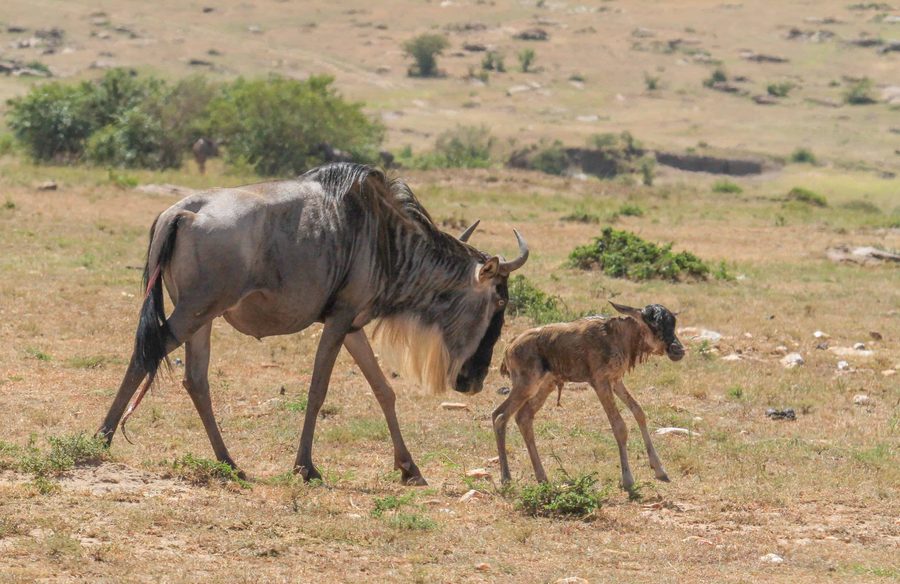
A wildebeest mother walking with her newborn calf
Ndutu Calving Season

Ndutu – Calving Season

Ngorongoro Conservation Area / Southern Serengeti

From late December through March the Great Migration of 1.5 million wildebeest along with hundreds of thousands of zebra and gazelles resides on the short grass plains. The epicenter of this concentration is the Ndutu area just south of Serengeti National Park. It is a huge advantage that the best game viewing is outside the park boundary, as we can off road drive in this area.

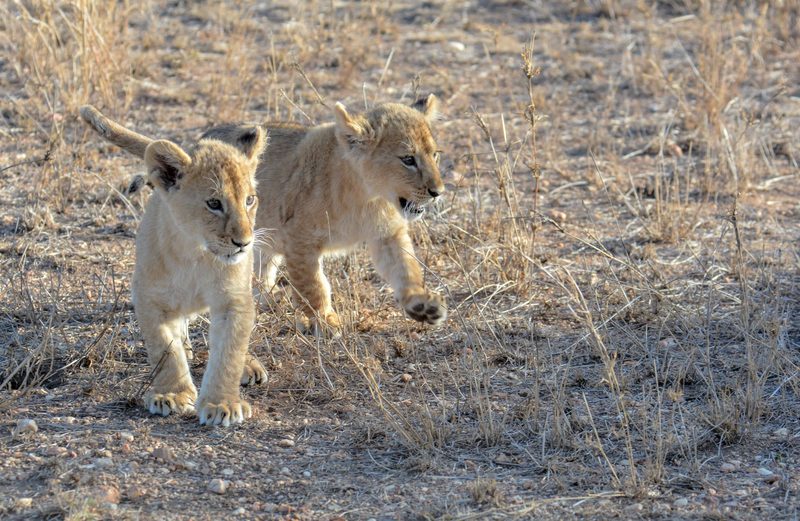
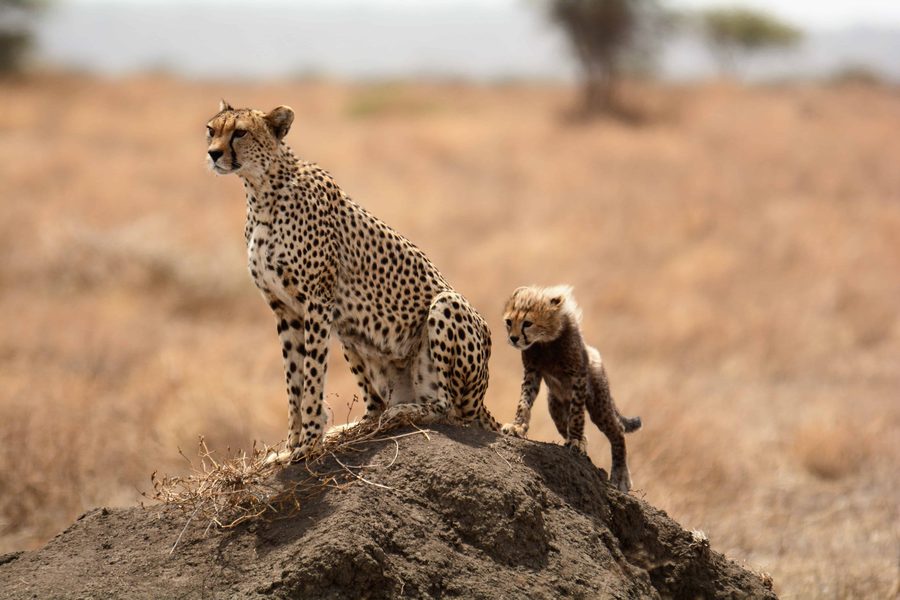
The wildebeest come here to calve and give birth to 400,000 calves over a three week period, usually in February. At this time of year, we often see herds stretching to the horizon in all directions. The masses of the Migration are a magnet for predators and the area has the best cheetah concentrations in Africa, along with excellent lion and hyena viewing. The area serves as a cheetah nursery and every year we see multiple mothers with cubs.

Nowhere else in Africa do we witness more predator/prey interactions and most days we observe big cats hunting. Cheetah flat-out sprinting after gazelles and wildebeest calves is common. Lions frequently hunt wildebeest and zebra as they come to drink at the marshes. This is the time and place to experience predator action
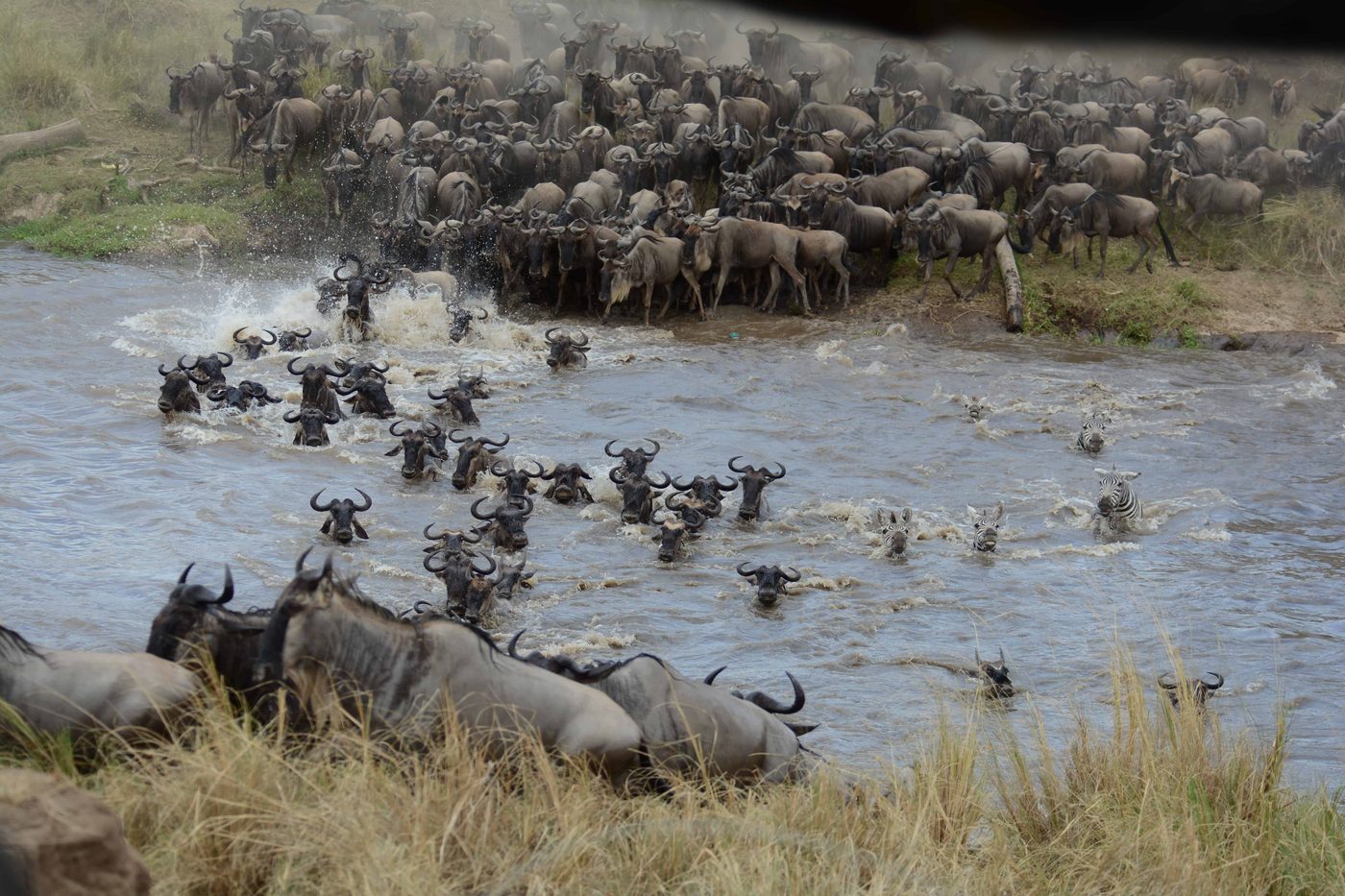
Wildebeest leaping into a river and swimming across during the migration
Great Migration River Crossing Season

The Northern Serengeti – River Crossing Season

Northern Serengeti, near the Mara River

From June through October, we set up camp in the most beautiful and remote area of the Serengeti — the Northern Serengeti near the Mara River. The Northern Serengeti has a spectacular mix of habitats and scenery. The Lamai Wedge is an incredible expanse of open plains. Much of the area is undulating hills with huge rock kopjes, scattered woodlands, open plains and the gorgeous Mara River. The river serves as a magnet for wildlife. The diversity of habitats supports a tremendous variety of wildlife.

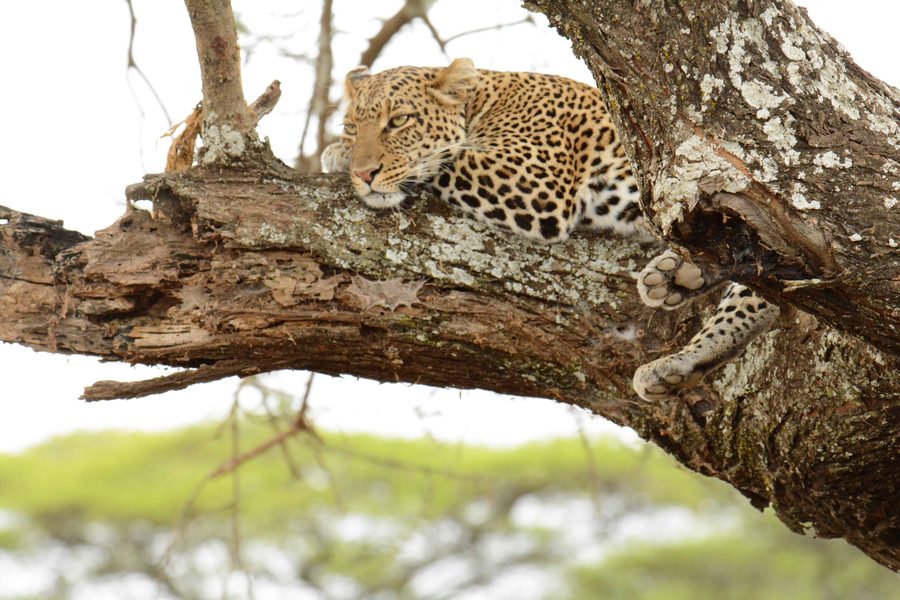
Typically from mid-July through October a large portion of the Great Migration will be in this area and there are almost daily crossings of the Mara River, providing an opportunity to potentially see one of nature’s greatest dramas unfold. Depending on weather, the herds actually spend a good deal of time crossing the Mara back and forth in search of the best grazing. It’s an impressive sight to see thousands of animals plunging into fast-flowing water and braving some very large crocodiles in the process. This is definitely one of the two highlight areas to see the Migration. Wherever this moving feast occurs there is stellar predator activity. Ample food combined with the rock kopjes makes for outstanding lion and leopard habitat, and we have some of our best cheetah sightings in the Lamai Wedge.

The Experience

In both camp locations the emphasis lies heavily on game drives, which are the most productive way to view and photograph wildlife.

Our guide team is tremendous, with each guide known for and selected because of their passion and knowledge. We are especially differentiated by our all-day ‘hard core’ game viewing programs, but each private party is catered for according to their own interests.

Vehicles

Our vehicle fleet features special modifications to enhance your view. Each vehicle has roll-down door windows and most have back windows that can be removed to provide a wide open experience that is more intimate with the wildlife and better for photography.

Bush walks

We can also arrange for park ranger led bush walks for a welcome change from the game driving routine. Putting feet on the ground gives one a new connection to the environment. Walking allows you to learn about animal signs such as tracks as well as focus on the smaller life and plants that get less attention on game drives.

Culture

It is also possible to have cultural experiences. When the camp is in Ndutu, we have opportunities to visit with Maasai people. In the northern Serengeti we visit the Kuria people, who are also pastoralists. In both areas we are able to visit bomas where you can get a feel for the traditional lifestyles.

A cheetah and her cub on a termite mound, scanning the plains

Under Canvas

Njozi Camp is an oasis for those who seek a comfortable, classic camp experience with a true focus on game viewing.

The camp not only offers guests a glimpse of big cat research, it also supports the development of Tanzanian wildlife biologists.

The philosophy is to provide comfort for our guests while the staff works hard behind the scenes to allow full flexibility with meal times and service. This includes packing meals to go to the bush. This way, your guide is able to deliver the superior game-viewing experience that we are known for.

We are proud of the community environment our staff provides. The atmosphere is casual and vibrant, yet attentive to all your needs. Our staff likes to share their culture, including amazing food on our Swahili nights and sensational music performances whenever they decide they want to have a jam session.

Critical to your experience, Njozi Camp is flexible to pack meals to go and tailor meal times at camp completely around your game viewing.

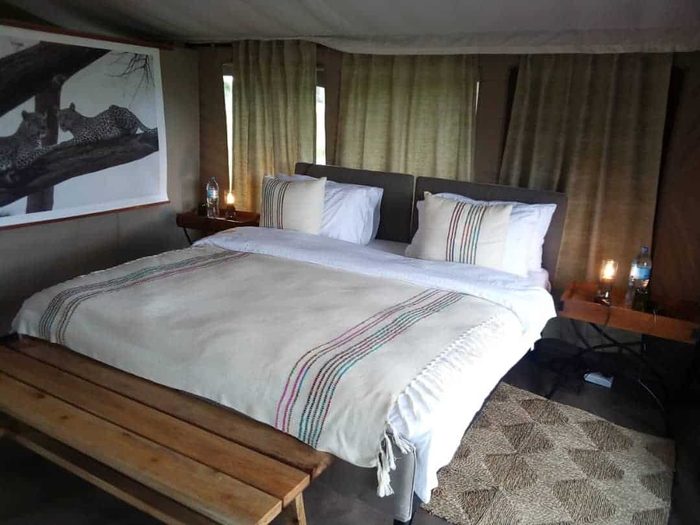
Double bed with a striped throw and a wooden bench in a guest tent, a framed print above
Njozi Camp Accommodation

Njozi Camp Accommodation

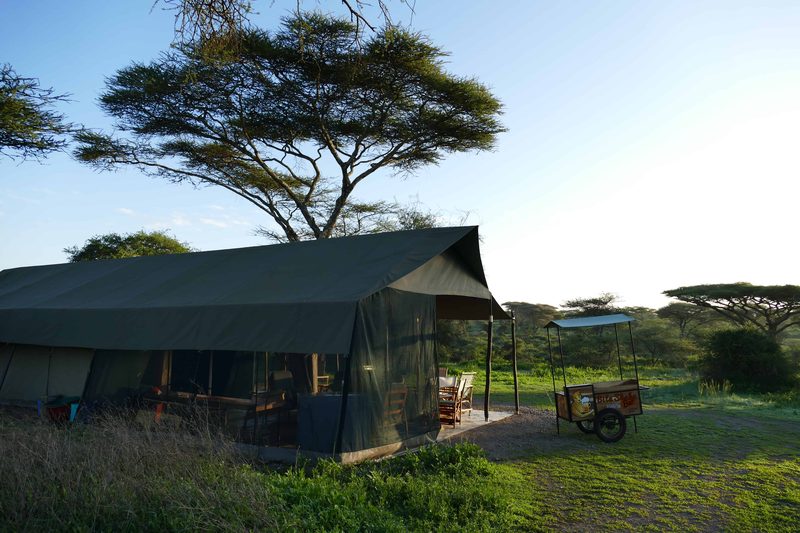
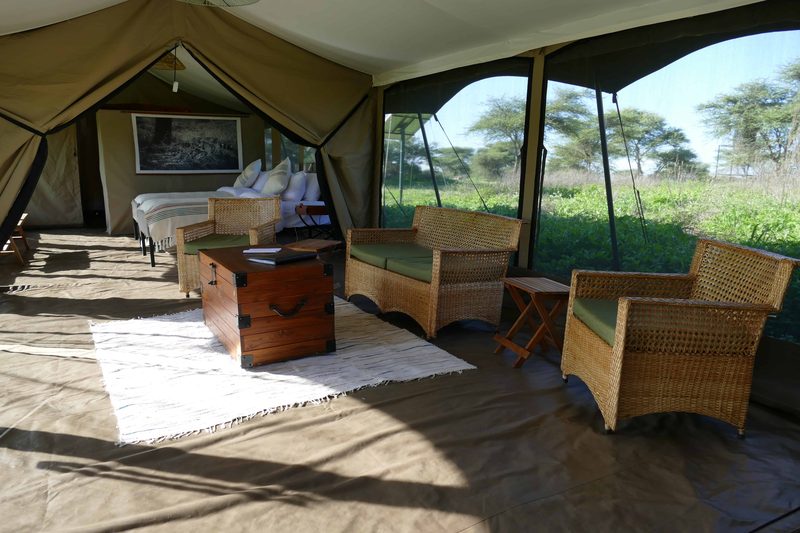
Our style demands intimacy in nature, so we limit the camp to just seven guest tents. In January 2015 we debuted our brand new tents! Designed with a classic safari décor, each tent features comfortable beds with high-quality linens and duvets. There is a dressing area with a wardrobe and a sink with running water, plus separate, private shower and toilet areas. Showers are the classic bucket setup found throughout the Serengeti area: staff hoist a bucket of heated water, which is then delivered through a normal shower head in the privacy of your own tent. An inverter system provides 24-hour-a-day electricity for tent lighting.

As of December 2015 we have also added a family tent. Our version is actually two of our normal tents (each with its own bedroom, toilet and shower) that are connected by a living room area. The first family tent is now set up at Njozi Camp and we are taking delivery of a second family tent that can be used for private family groups that need an additional family unit.

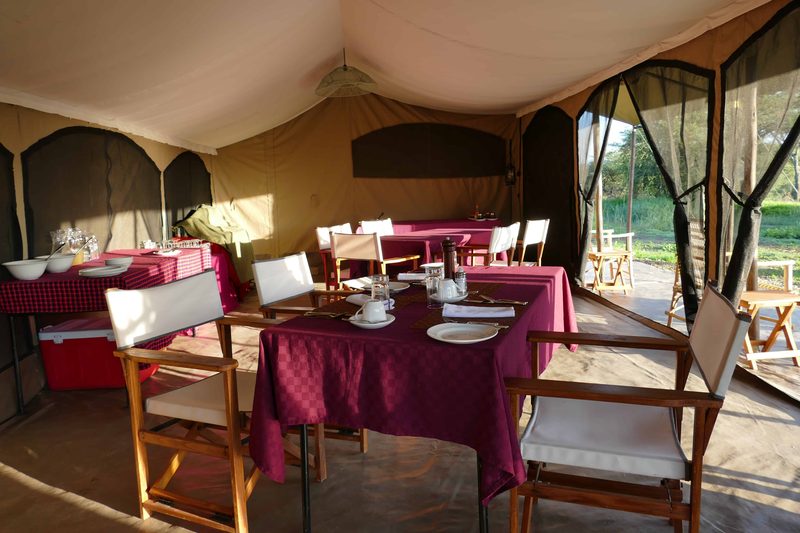
The central area of camp includes a mess tent with veranda area for relaxing as well as the essential campfire area. Drinks and laundry are included.

As of December 2015, we have added solar power that will serve all the needs of camp – from the guest tents to the lounge area, even to the kitchen where we have new solar powered refrigerator and freezer capabilities. This is the latest move in our strong environmental stewardship program.

Another fun initiative we do includes recycling plastics, which we donate to an innovative designer who is making furniture from the bottles and selling some of that furniture back to the camp. We also purchase our coffee from Arusha-area local growers who are too small to efficiently sell through wholesalers. Our small-batch coffee earns lots of compliments.

  • Dining tent with tables laid with red cloths and director's chairs
    Njozi Camp Dining Tent Njozi Camp Lounge and Mess Tent
  • A guest tent with a covered veranda beneath a large acacia tree
    Guest Tent Exterior Njozi Camp Meru Style Guest Tents
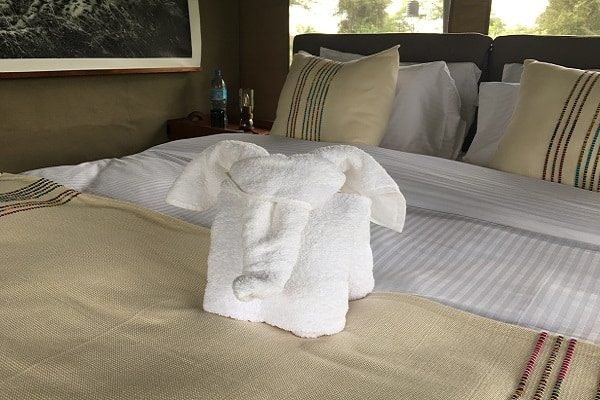
  • Towels folded into elephants on a made-up bed
    Njozi Camp Decor Njozi Camp Family Dining
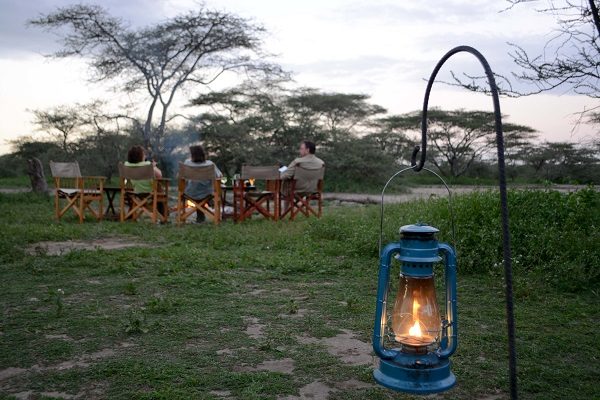
  • Guests in camp chairs around the campfire at dusk, a lit lantern hanging in the foreground
    Njozi Camp By the Fire

Big Cat Research

Tanzania’s Only Camp-Based Big Cat Biologists

Njozi Camp is the fieldwork base to develop young local wildlife biologists, who gain experience as they conduct original big cat research, which began in 2014. Our biologists rotate to join guests on game drives and record data on the individual big cats we encounter. This gives our guests a unique opportunity to observe and learn, as our guide-biologist teams have a superior level of knowledge about Ndutu big cats.

Njozi Camp Big Cat Research – Cheetah (F104) called Bomba with cubs

Media

Plates of food on a red tablecloth at an open-sided table looking out over green bush and trees

Njozi Camp’s food was featured on Epicure and Culture.

Contact Us

Tell us when you would like to travel and what you hope to see.

Fields marked * are required.

We use your details only to reply to your inquiry. This form is protected by Cloudflare Turnstile. See our Privacy Policy.